Lee Oskar Lawrie(1876-1963)

America’s Machine-Age Michelangelo

Documenting the Life and Sculpture of Lee Oskar Lawrie

My latest discovery:

A forgotten Bertram Grosvenor Goodhue building, with sculpture by Lee Lawrie.

The City of New York Building at the 1915 Panama-Pacific International Exposition.

In the age of late 19th and early 20th Century Expositions, like the 1893 Chicago Columbian Exposition, popularly known as the White City, the fair’s buildings were constructed of “staff:” which was a temporary building material, substituted for stone; largely a mixture of plaster, and other fibrous materials. Building made of staff were generally demolished at the closing of these expos.

So, like many of Lawrie’s works, they were destroyed and lost to history, except when I’ve documented their existence, even if it was only temporary.

Lawrie’s Other Lost works, were at the Wichita Museum of Art, Caltech’s reflecting pond and the auditorium proscenium at Throop hall, and the Well of Scribes at the Los Angeles Public Library,

Architect Bertram Grosvenor Goodhue designed the City of New York Building at San Francisco’s 1915 Panama Pacific International Exposition, (PPIE). This building was noted in the 1921 book, The Story of the Exposition, by Frank Morton Todd, and he attributes the sculpture of four Indians above the entrance to Lee Lawrie of the Yale Art School.
Most scholars attribute Richard Oliver’s 1983 biography of Bertram Grosvenor Goodhue as the ultimate resource listing all of Goodhue’s Buildings designed between 1895 and 1924, but this is one that Oliver missed.

I have added this to the Smithsonian Institute’s Inventory of American Paintings and Sculptures.

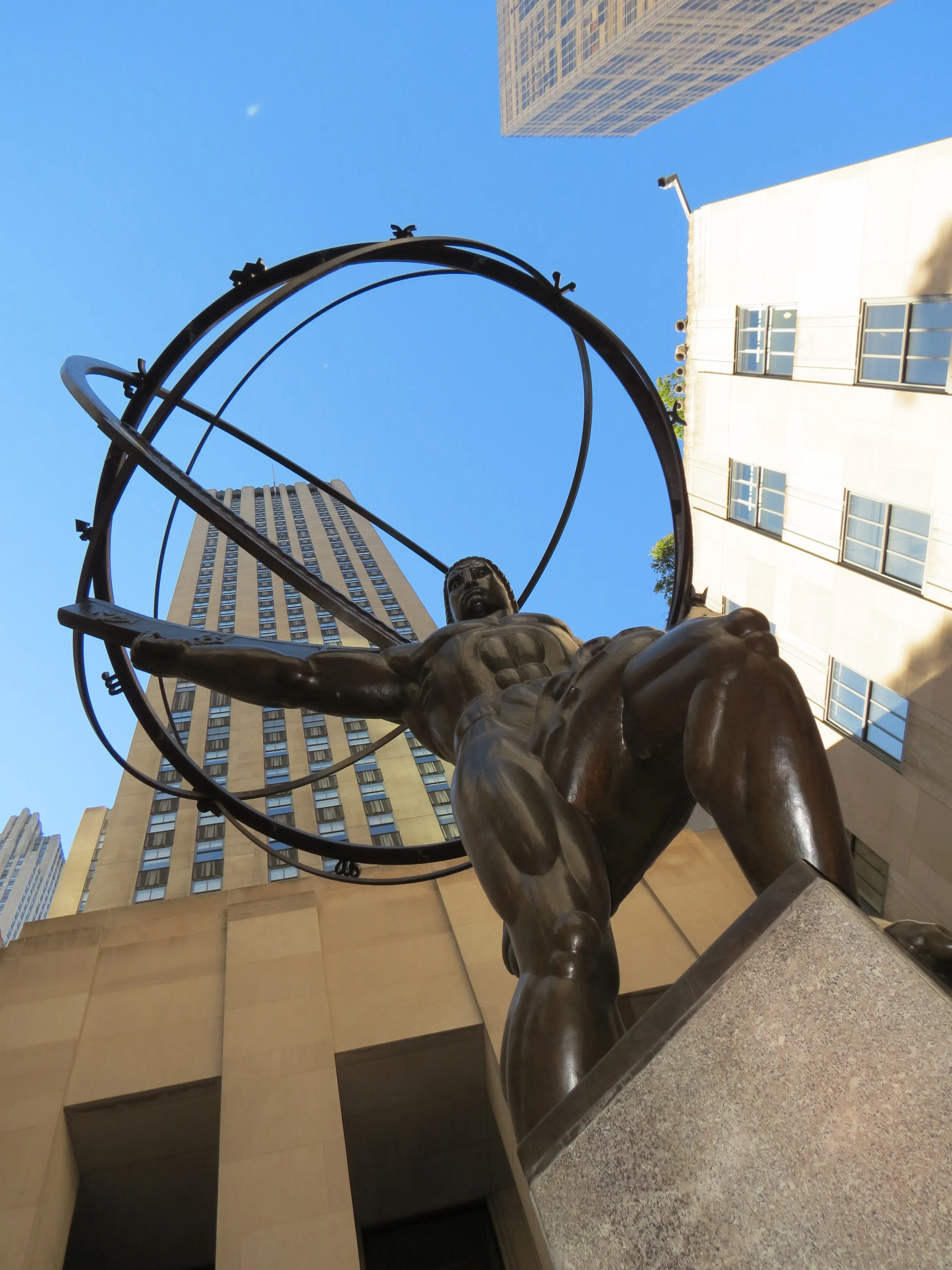
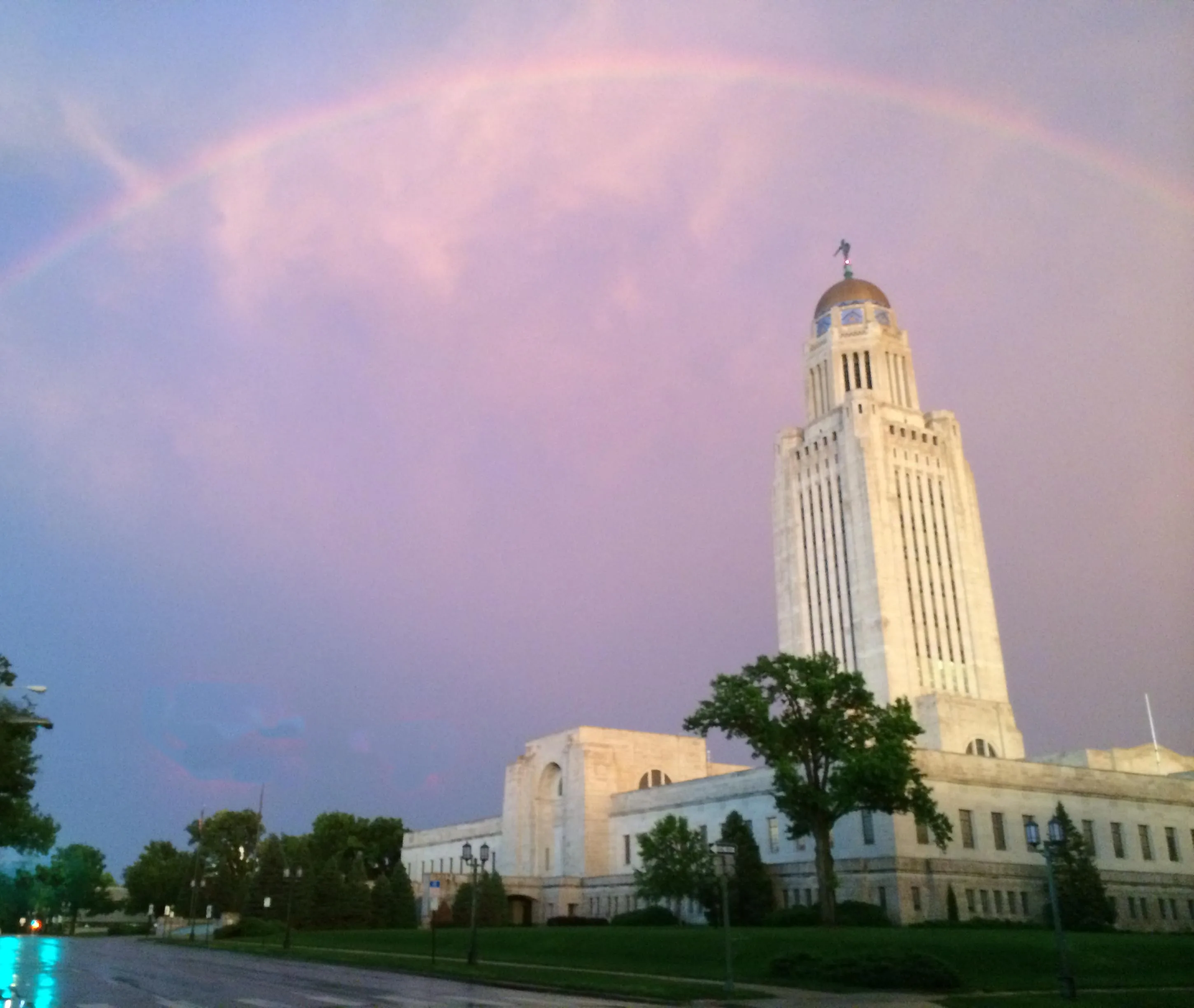
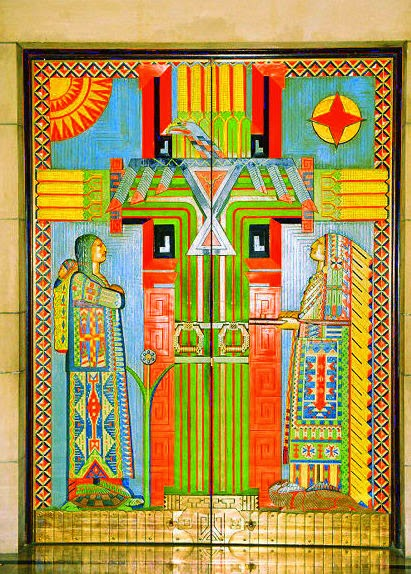
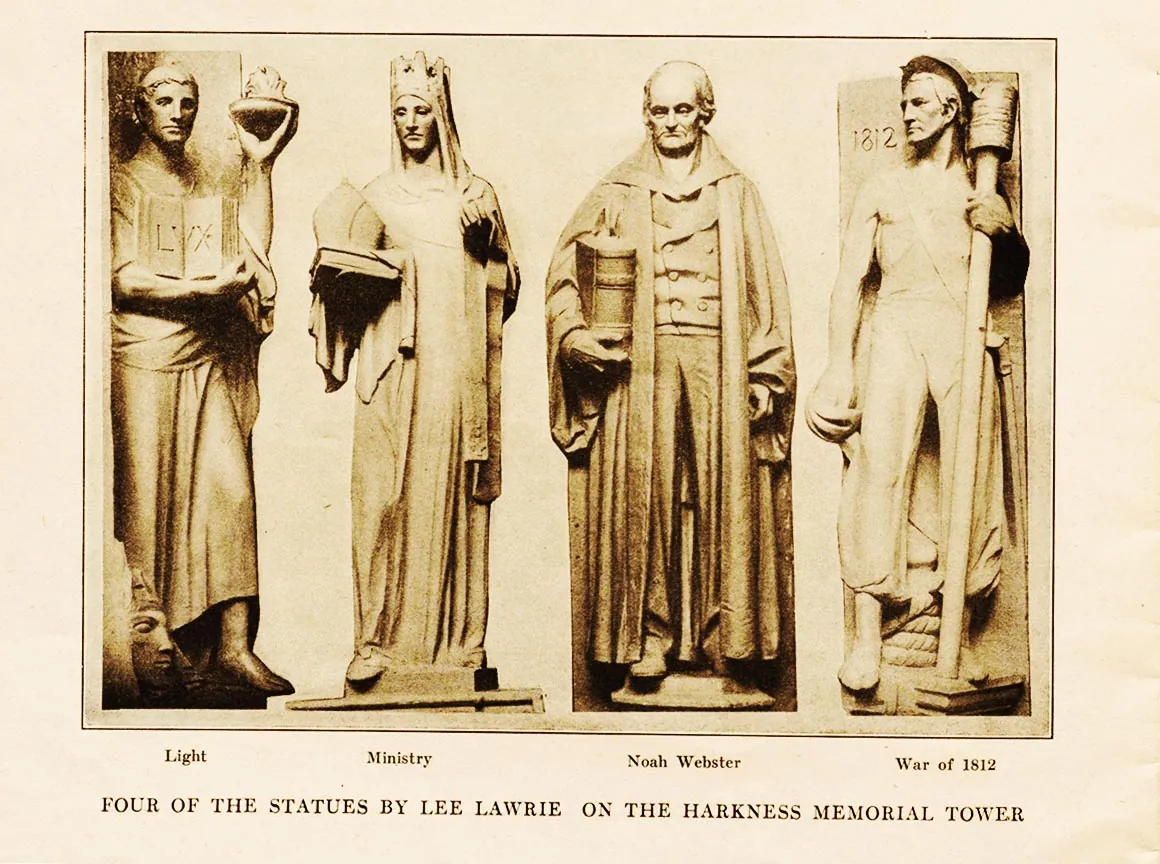
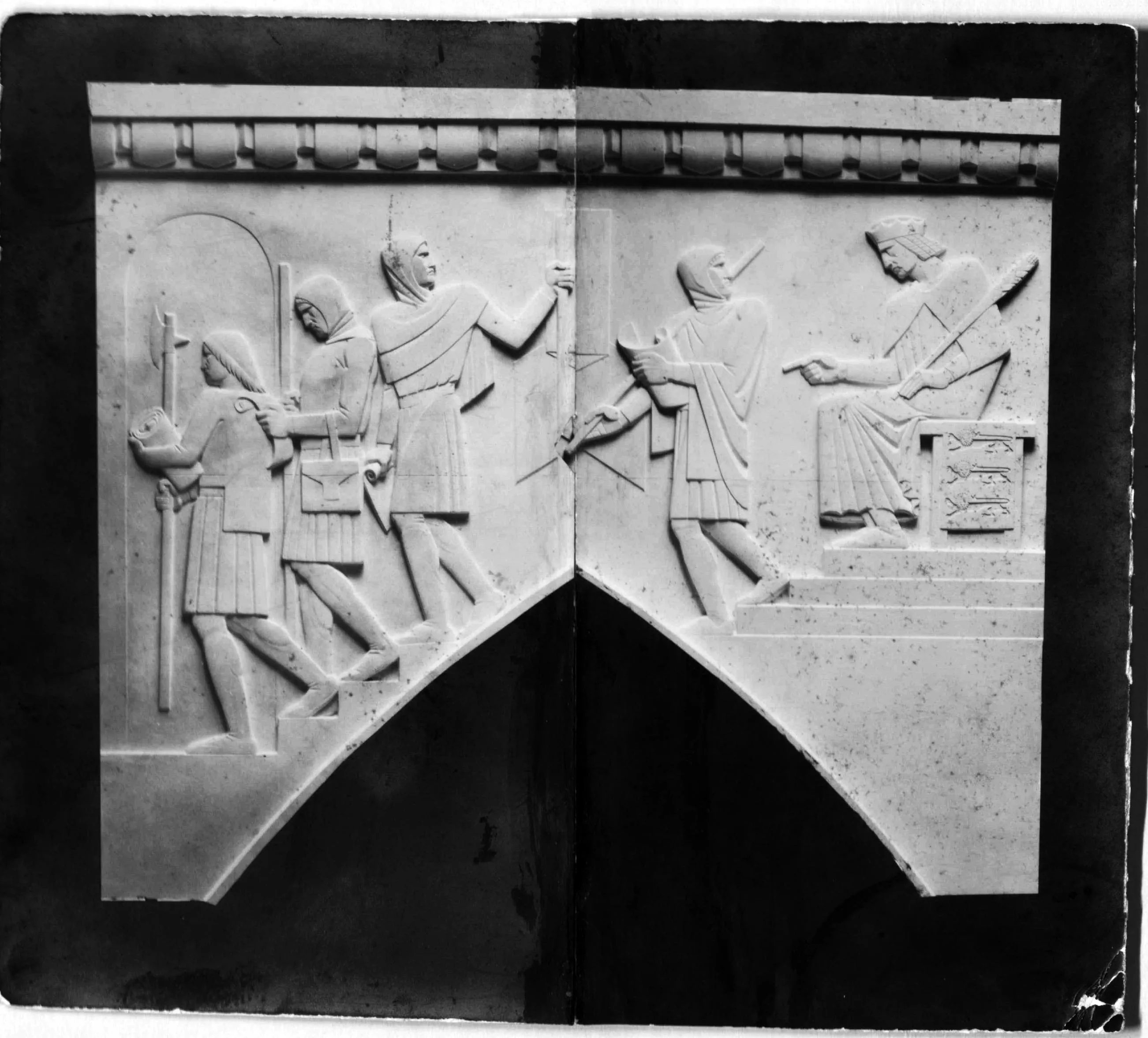
Lawrie was the greatest Architectural Sculptor the world has ever known. Although Lawrie worked in America’s largest cities, his largest body of sculpture is located way out west, in Nebraska. The Nebraska State Capitol in Lincoln, has more of Lawrie’s sculpture in one location than anywhere else on earth.